What makes a city feel safe?
People, activity and a sense of belonging are essential.
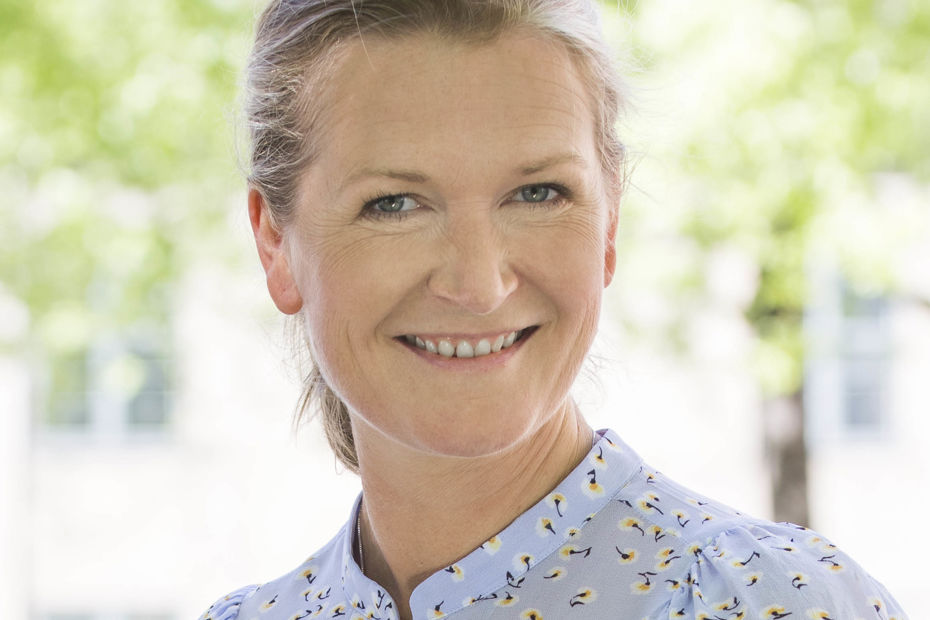
Camilla Aakre, Head of Residential Development, LINK Arkitektur
Photo: Multiconsult / Cato A. Mørk
For many people, safety is defined by the absence of crime. In urban development, however, it is about something more fundamental: how places are experienced, and whether people feel able and willing to spend time there. A range of factors contribute to creating a sense of safety.
“Security is about cameras, access control and police in the streets. But that does not necessarily make you feel safer. It can even create a sense that something might happen. Safety is created by people, activity and places that invite you to stay,” explains Camilla Aakre at LINK Arkitektur.
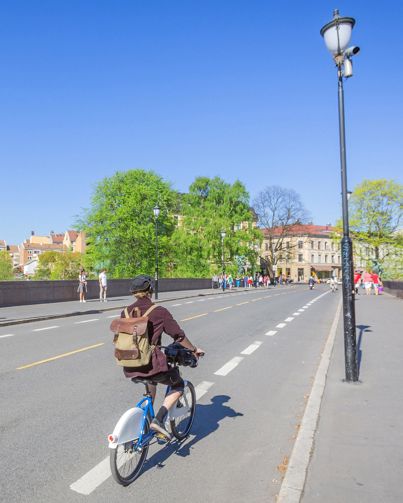
Activity in the urban space is important.
If the most vulnerable feel safe, everyone feels safe
Older people, women, people with disabilities and other vulnerable groups have a greater need for overview, accessibility and clear orientation than others. These considerations will only grow in importance in the years ahead, with an increasingly ageing population.
“If older people and vulnerable groups feel safe in an area, most others will too. It is perhaps the most important indicator we have,” Aakre says.
She points out that if the most vulnerable in society feel that it is unsafe to use the city, whether because it is slippery, distances are too long or there are too many unclear crossings, then the city cannot be considered safe. Only when the vulnerable feel safe can everyone be safe, and that must apply at all times of the day.
“Safety is also about having choices. If a passage feels dark or uncomfortable to walk through in the evening, there must be an alternative route. More connections and better flow provide both safety and improved accessibility for everyone,” Aakre continues.
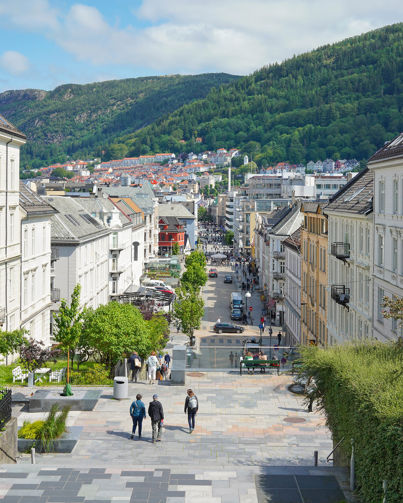
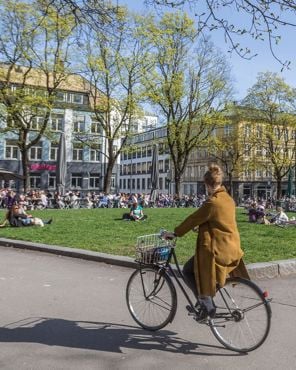
Urban life and activity create safety for all groups.
Photo: AdobeStock
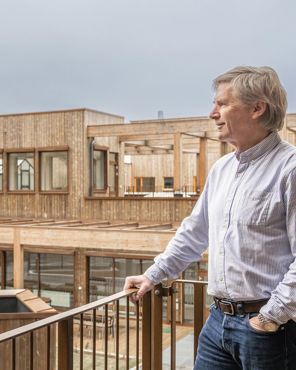
Photo: Hundven-Clements Photography
Belonging creates safety
Safety is also about belonging. When people feel ownership of a place, they use it differently. They care more, spend more time there, and contribute to making it a place where everyone thrives.
“If an urban space is too predefined, young people won’t use it. They need places that aren’t fully programmed, where they can define the activities themselves. That creates ownership and belonging, which in turn creates safety,” Aakre explains.
Opportunities and offerings for activity give people a reason to visit an area. Places that cater to different target groups and needs attract more people and create greater presence. For example, grocery stores and playgrounds function as important everyday destinations, drawing activity and people into local neighbourhoods.
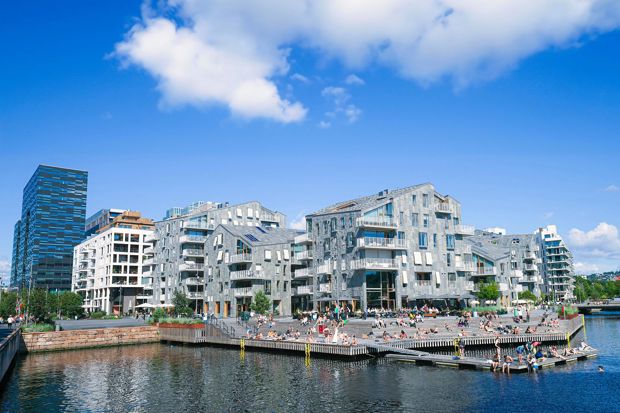
People experience safety through community.
Photo: Richard Hatleskog/Unslash
The most important measures are people
People feel safe when others are around them. If someone is sitting out on their balcony enjoying the spring sun, or if there are people at a café along the street, you know that the urban space is being watched, and that someone can help if an accident occurs.
When urban spaces are in use, a form of social control emerges. It prevents unwanted incidents, but it also makes the place feel safe in itself.
That is why it is crucial to create what is known as “critical mass”, meaning enough people and enough activity for an area to feel alive throughout most of the day.
“Office areas are full of people during the day, but empty in the evening. Then they feel unsafe. If we mix the functions build housing, workplaces and shops, we create continuity in presence, and the areas will feel safer,” Aakre concludes.
Eight keys to safe cities
-
Facilitate diverse groups — Ensure a varied mix of people and continuous presence by offering a wide range of activities that suit different users at different times of the day.
-
Enable visibility — Being able to see and be seen is essential. Prioritise overview, openness and clear sightlines.
-
Design lighting for recognition — Lighting should allow people to see one another, recognise faces and understand their surroundings.
-
Create well‑kept places with identity — Close, pleasant and well‑maintained places with a distinct identity signal that people care — and they foster well‑being.
-
Offer alternative routes — Minimise friction by avoiding bottlenecks and providing variety in movement options.
-
Protect personal integrity — People must be able to choose whether to participate, observe or simply be themselves.
-
Make orientation easy — Ensure that people can easily understand the place. Clarify what is private, semi‑private and public.
-
Provide external protection — Safeguards against crime should be present without creating a sense of insecurity.
Why we write about the cities of the future
We write about the cities of the future because it is in cities that society’s biggest challenges hit us hardest, and where the opportunities are greatest. Urbanisation, climate change, the energy transition, mobility and social inclusion all converge in the same place. We care about this because the choices we make today will shape everyday life for people for generations to come.
Cities must work both now and far into the future. That demands holistic thinking, where land use, transport, energy, nature, urban life and safety are understood together. When we densify and transform existing areas, it’s about creating vibrant, inclusive and resilient cities — places where people can live, work and move in sustainable ways.
Together with our clients, we develop solutions that meet today’s needs and tomorrow’s demands.
Why we talk about the cities of the future
“The biggest societal challenges hit us hardest in cities, but they also hold the greatest opportunities. How we plan and develop our cities today will shape society for generations to come,” says CEO Kristin O. Augestad.