
Teknostallen in Trondheim – Where urban life literally blossoms
A public space isn’t truly successful until people actually use it — every day, all year round
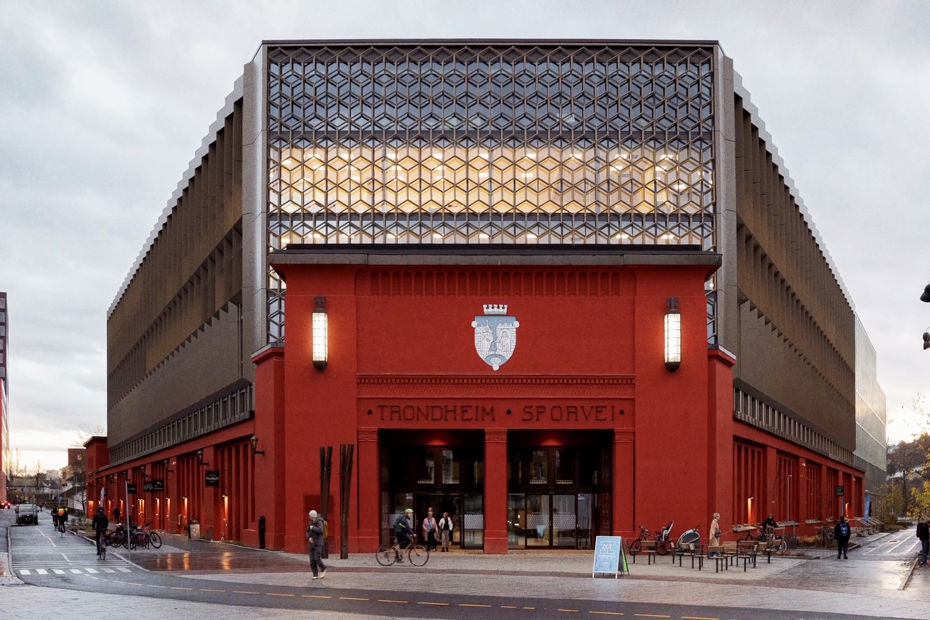
Photo: Sofia Brovoll
A former tram depot from 1923 has today become a vibrant hub in Teknobyen in Trondheim, a place that brings together working life, culture, students, the neighbourhood and passers-by alike.
“Life attracts life, so this may well be the beginning of something even bigger. What we’ve tried to achieve with Teknostallen is a welcoming ground floor that stays open throughout the week,” says Lasse Volden, Project Director at KLP.
For Trondheim, Teknostallen represents more than a new landmark. It has become a link between the city centre, campus development and the growing knowledge and innovation environment in the area, not just physically, but socially and functionally.
Lasse Volden, Prosjektsjef i KLP
“Life sparks life, and this might just be the beginning of something bigger.”
Lasse VoldenProject Director at KLP
From tram depot to social engine
The original tram depot, built in 1923, is a well-known landmark in Trondheim. Preserving its history has been a key priority in the project. The old brick façade in its characteristic iron‑oxide red remains firmly at street level, while a new structure appears to hover above it. The former tramway signage and the municipal coat of arms have been restored and brought back into view.
“Every time I come here, I feel genuinely uplifted when I walk into this building,” says Volden.
A heart with life
At the centre of Teknostallen lies a vast indoor public space, a large inner garden beneath a glass roof of more than 2,200 square metres. The room can accommodate up to 700 people, but big spaces are demanding. The daylight from above gives the room clear contours, drawing the eye naturally towards the plants and the seating areas in the middle. Even visually striking spaces can be tiring to spend time in if the lighting and acoustics fail.
“Acoustics and lighting determine whether you stay. Teknostallen doesn’t stand out because it shouts, but because it works. It’s proof of how technical disciplines can set the conditions for social quality and how cross‑disciplinary collaboration creates spaces people genuinely want to be in,” says Signe Gurid Hovem of Multiconsult Norge.
Signe Gurid Hovem, Multiconsult
The project team carried out daylight simulations early in the process and used the results actively to shape solutions that ensure healthy plant growth in the garden, high‑quality office spaces and improved comfort for users. In parallel, the team developed the acoustic solutions through close cross‑disciplinary collaboration, integrating water features, sound‑absorbing walls and green façades as key measures.
“We’re hearing from neighbours that they’ve gained a new place to go, and it feels incredible that the building turned out exactly as the one we imagined creating together,” says Hovem.
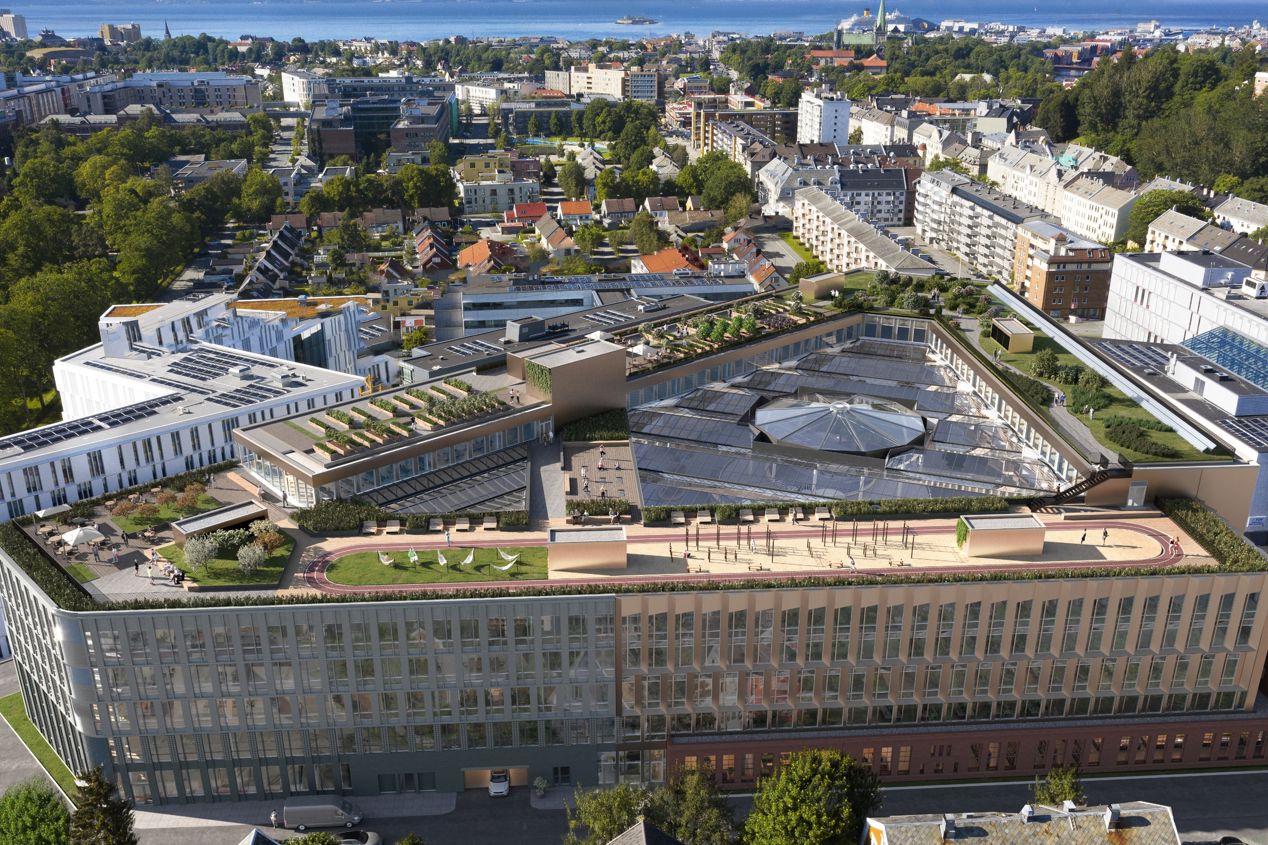
Teknostallen in Trondheim
Photo: Multiconsult
Made for people
Teknostallen opened in October 2025, and it is already a success.
At a time when urban‑development visions overflow with words like “meeting places”, “co‑creation”, “pulse” and “life between buildings”, far too many projects end up as attractive illustrations, places that look lively on the drawing board but stand empty for much of the day. Teknostallen has become an urban space that is not only designed and planned, but genuinely lives up to its ambitions.
“This building is made for people. It’s meant to be used. It’s meant to be lived in. And that’s exactly what we’re seeing — every single day. If this is only the beginning, I’m incredibly excited for what comes next,” says Steffen Ødegaard, Marketing Coordinator at KLP.
“This building is made for people. It’s meant to be used. It’s meant to be lived in”
Steffen ØdegaardMarketing Coordinator at KLP
Why we talk about the cities of the future
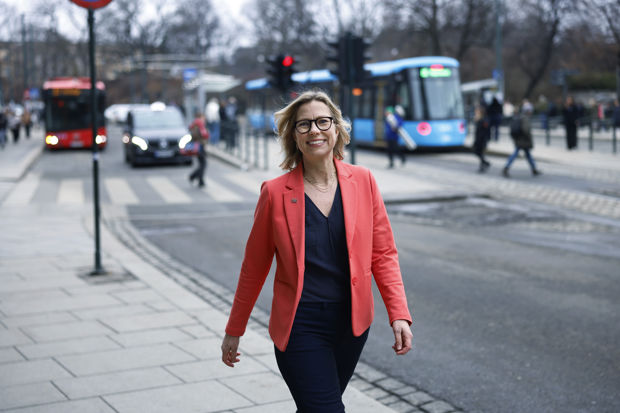
“The biggest societal challenges hit us hardest in cities, but they also hold the greatest opportunities. How we plan and develop our cities today will shape society for generations to come,” says CEO Kristin O. Augestad.
Why we write about the cities of the future
We write about the cities of the future because it is in cities that society’s biggest challenges hit us hardest, and where the opportunities are greatest. Urbanisation, climate change, the energy transition, mobility and social inclusion all converge in the same place. We care about this because the choices we make today will shape everyday life for people for generations to come.
Cities must work both now and far into the future. That demands holistic thinking, where land use, transport, energy, nature, urban life and safety are understood together. When we densify and transform existing areas, it’s about creating vibrant, inclusive and resilient cities — places where people can live, work and move in sustainable ways.
Together with our clients, we develop solutions that meet today’s needs and tomorrow’s demands.