
The neighbourhood that puts people first
– A new district in Sandnes is taking shape
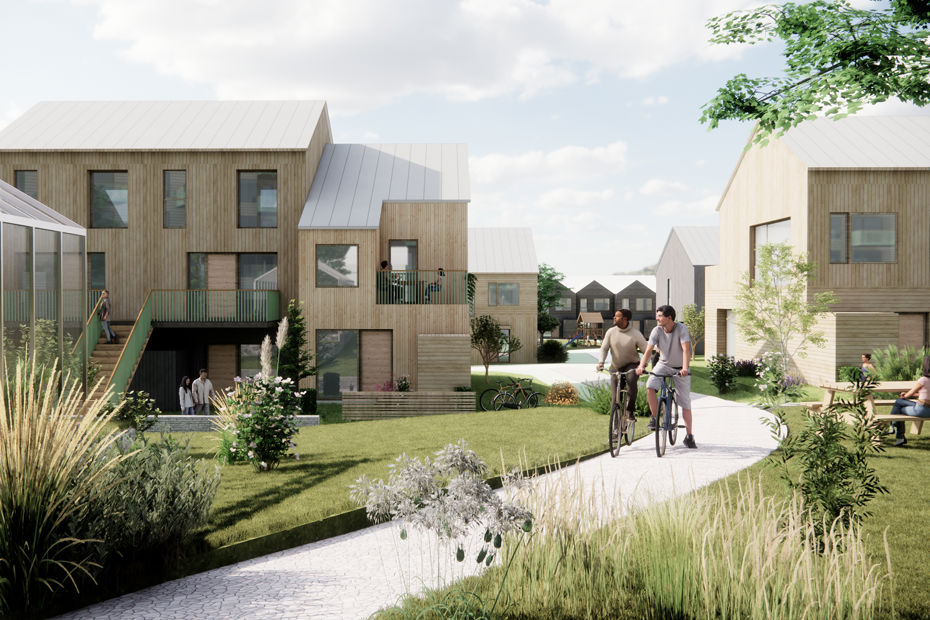
Photo: LINK Arkitektur
Over the coming decades, Stokkelandsbyen in Sandnes will take shape with 1,760 homes by Lake Stokkelandsvatnet. With varied housing, car‑free streets and lush meeting places, the area is set to become a model for the neighbourhoods of the future.
 Nils Alle, OBOS Block Watne | Photo: Multiconsult
“Sandnes is among the fastest‑growing municipalities in Norway, and the need for new residential areas is increasing in step with population growth. With one of the country’s youngest populations and steady in‑migration, the city is an important engine for development across the region,” says Nils Alle of OBOS Block Watne.
A neighbourhood for people
Behind the project stands Stokkeland Utvikling, owned by Østerhus AS and OBOS Block Watne. Multiconsult Norge and LINK Arkitektur are part of the team.
For Stig Harald Nese, general manager of Stokkeland Utvikling, Stokkelandsbyen is about more than the number of homes.
 Stig Harald Nese | Photo: Multiconsult
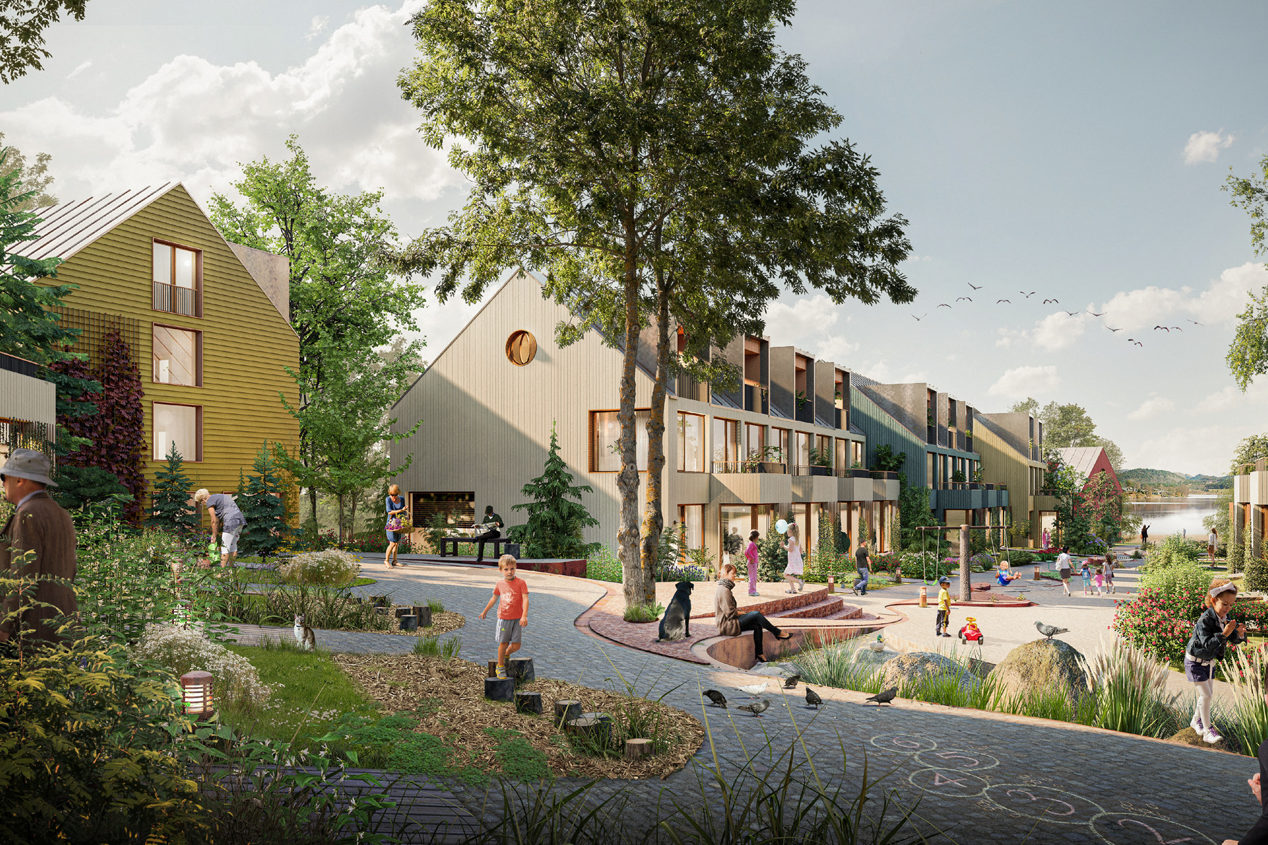
How Stokkelandsbyen can be | Illustration: LINK Arkitektur
Photo: Link Arkitektur AS
Landscape as identity
The plans build on the area’s characteristic terrain and natural features. The stone fences that define the cultural landscape will be preserved and given new life as identity‑bearing elements between the new buildings. Green spaces will connect the neighbourhoods and give residents short access to nature, activity and social meeting places.
Multiconsult Norge has developed solutions that will prepare the area for future climate conditions. Vegetation is retained wherever possible, and nature‑based stormwater systems will manage flooding in a safe and sustainable way.
Traffic moves out — people take over
In Stokkelandsbyen, people will dominate the streetscape. The project developers are moving car traffic away from residential streets and concentrating parking in so‑called mobility hubs.
“By co‑locating parking and internal car traffic, we reduce conflicts and create safer surroundings for children, young people and older residents. At the same time, we free up land that can instead be used for parks, meeting places and recreation,” says Gina Skogen, urban and area developer at Multiconsult Norge.
The mobility hubs will function as local nodes with shared solutions and common facilities, an idea intended to strengthen community, reduce car dependency and make everyday life more flexible.
The project developers will connect walking and cycling paths to the existing network, making it easy to choose cycling, walking or public transport as the preferred mode of travel.
“Stokkeland will include sustainable and flexible solutions that can adapt to society’s changing housing and mobility needs,” say Skogen and her colleague Espen Eek.
“In Stokkelandsbyen, community will be the driving force.”
Stig Harlald NeseManaging director of Stokkeland Utvikling
A neighbourhood for the future
Stokkelandsbyen is still at the planning stage, but the vision is clear: an area where nature, architecture and people come closer together. A district where children can play safely, adults meet over short distances – and where people in all stages of life find space for both community and tranquillity. All with nature and Lake Stokkelandsvatnet as their closest neighbour.
Why we write about the cities of the future
We write about the cities of the future because it is in cities that society’s biggest challenges hit us hardest, and where the opportunities are greatest. Urbanisation, climate change, the energy transition, mobility and social inclusion all converge in the same place. We care about this because the choices we make today will shape everyday life for people for generations to come.
Cities must work both now and far into the future. That demands holistic thinking, where land use, transport, energy, nature, urban life and safety are understood together. When we densify and transform existing areas, it’s about creating vibrant, inclusive and resilient cities — places where people can live, work and move in sustainable ways.
Together with our clients, we develop solutions that meet today’s needs and tomorrow’s demands.
You may also be interested in
All articles
- How a shared digital model enabled holistic urban development in Oslo
The digital backbone of Bjørvika
What makes a city feel safe?
People, activity and a sense of belonging are essential.
Where cars used to be parked, people will come together
Åsane in Bergen is set to become a neighbourhood centre shaped for people, life and community.
Teknostallen in Trondheim – Where urban life literally blossoms
A public space isn’t truly successful until people actually use it — every day, all year round